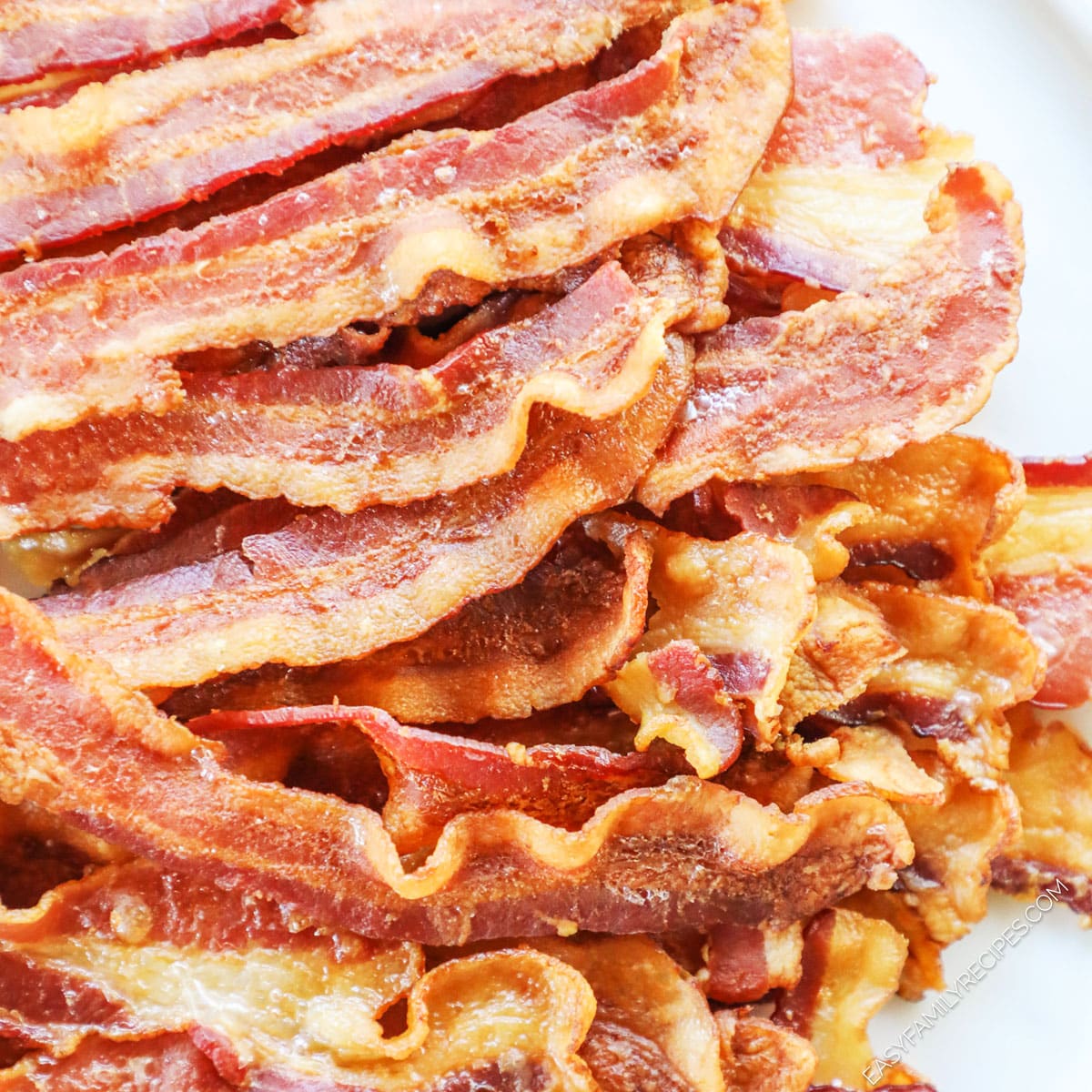
How to Cook Bacon in the Oven: Crispy, Mess-Free, Every Time
Tired of the relentless grease splatter, unevenly cooked strips, and the constant need to stand guard over a hot skillet just to make a few pieces of bacon? You're not alone. For years, the stovetop method has been the go-to, but there's a superior, game-changing technique that promises perfectly crispy, evenly cooked bacon with minimal mess: baking it in the oven. Once you discover
how to cook bacon in the oven, you might never go back to the old way. This hands-off approach transforms breakfast into a stress-free experience, delivering consistently delicious results whether you're feeding one or a crowd.
Imagine waking up to the irresistible aroma of sizzling bacon, knowing your stovetop will remain pristine and your bacon will be cooked to golden perfection, every single time. This article will guide you through the ultimate method, sharing expert tips and a not-so-secret trick that guarantees crispiness without the char.
Why Oven Bacon is a Culinary Game-Changer
Switching from skillet to oven for your bacon might feel revolutionary, and for good reason. The benefits extend far beyond just avoiding grease splatter. It's about achieving a level of consistency and ease that the stovetop simply can't match.
*
Unmatched Even Crispiness: When bacon cooks flat on a baking sheet, it renders fat and crisps up uniformly from edge to edge. Say goodbye to floppy ends and burnt middles; every bite will be perfectly textured.
*
Effortless Cleanup: This is arguably the biggest selling point for many. By lining your baking sheet, you contain all the fat, preventing it from splattering across your stovetop, countertops, and even your clothes. A truly mess-free experience.
*
Perfect for Any Crowd: Need to feed a hungry family or a brunch party? A single standard sheet pan can accommodate an entire 12-ounce package of bacon, allowing you to cook a significant amount simultaneously without multiple batches or crowded skillets. For larger gatherings, simply use multiple sheet pans. You can read more about this efficiency in
Oven Baked Bacon: The Hands-Off Way to Perfect Crispiness for a Crowd.
*
Truly Hands-Off Cooking: Once your bacon is in the oven, your work is essentially done. You're free to prepare the rest of your breakfast – scramble eggs, toast bread, brew coffee – without having to constantly monitor, flip, and adjust bacon strips. This frees up valuable morning time.
*
Better Texture: The slower, more even cooking process in the oven allows the bacon fat to render completely, resulting in bacon that is crisp throughout but retains a satisfying chew, rather than becoming brittle or rubbery.
The Cold Oven Method: Your Secret to Crispy Perfection
Here's the trick that elevates oven-cooked bacon from good to phenomenal: don't preheat your oven. While it might sound counterintuitive, starting your bacon in a cold oven is the key to achieving consistent, optimal crispiness and preventing those frustrating curled and shriveled strips.
Bacon is inherently fatty. When you place it directly into a hot, preheated oven, the intense, immediate heat can cause the meat to cook and seize up too quickly, before the fat has had sufficient time to slowly render and melt away. This often leads to uneven cooking, where some parts are crispy, others are chewy, and the strips can curl dramatically.
By contrast, when you start the bacon in a cold oven, the temperature rises gradually. As the oven heats up, the bacon fat has ample time to slowly render and liquefy. This gentle, progressive rendering allows the bacon to cook evenly, resulting in strips that lay flat and crisp up beautifully from end to end. This technique is a staple in professional kitchens for its reliability and quality. As an added bonus, this slower heating process also significantly reduces any grease splatter inside your oven, making for even easier cleanup. Discover more about this technique in
The Cold Oven Trick for Perfectly Crispy Bacon with Zero Splatter.
Step-by-Step Guide: How to Cook Bacon in the Oven
This method is incredibly straightforward and works perfectly for any type of bacon, from standard-cut to thick-cut varieties.
1.
Prepare Your Baking Sheet: Begin by lining a large rimmed baking sheet with either aluminum foil or parchment paper. Foil is my personal preference for its robust nature and virtually effortless cleanup – simply crumple it up and discard. However, parchment paper works just as effectively and is a great alternative if you prefer it. Ensure the lining covers the entire surface and slightly up the sides to contain the rendering fat.
2.
Arrange the Bacon: Lay the bacon strips in a single layer on the prepared baking sheet. It's okay if the strips touch slightly as they will shrink during cooking, but try to avoid overlapping them. Overlapping can prevent even browning and crisping. For best results, give each strip a little breathing room.
3.
Cold Oven Placement and Temperature Setting: Place the baking sheet with the bacon directly into your cold oven. Close the oven door, then set the temperature to 400°F (200°C). As the oven gradually heats to the target temperature, the bacon fat will slowly begin to render, allowing the strips to cook evenly and develop their characteristic crispness.
4.
Bake to Perfection: The baking time will vary depending on the thickness of your bacon and your desired level of crispiness.
* For regular-cut bacon, expect it to be ready in about 15-20 minutes.
* For thick-cut bacon, it may take 20-25 minutes or even a little longer.
I recommend checking on the bacon around the 10-minute mark and flipping the strips once halfway through the cooking time. Flipping encourages even browning and ensures maximum crispiness on both sides. Keep a close eye on it during the last few minutes, as bacon can go from perfectly crisp to burnt very quickly.
5.
Drain and Serve: Once the bacon reaches your preferred crispiness, carefully remove the baking sheet from the oven. Transfer the hot bacon strips to a plate lined with several layers of paper towels. The paper towels will absorb any excess rendered fat, further enhancing the crispiness. Allow the bacon to cool for a minute or two before serving; it will continue to crisp up slightly as it cools.
Tips for the Ultimate Oven-Cooked Bacon Experience
To ensure your bacon is nothing short of legendary, consider these additional tips and variations:
*
Choose Your Cut Wisely: Regular-cut bacon cooks faster and gets very crispy. Thick-cut bacon yields a chewier texture with crispy edges, requiring a longer cooking time. Neither is superior, it just depends on your preference!
*
Flavor Enhancements: For a delightful twist, sprinkle a little freshly ground black pepper over the bacon before baking. For a sweet and savory treat, try drizzling a small amount of maple syrup or a light sprinkle of brown sugar over the strips about halfway through cooking for candied bacon.
*
Don't Waste the Fat: The rendered bacon fat is a culinary goldmine! Once the baking sheet has cooled slightly, carefully pour the liquid fat through a fine-mesh sieve (to catch any small bits of bacon) into a heat-proof jar or container. Store it in the refrigerator for future use in cooking eggs, sautéing vegetables, or making gravies. It adds incredible flavor.
*
Customizing Your Crunch: If your bacon isn't quite crispy enough after the recommended time, simply return it to the oven for a few more minutes, checking frequently. If it's too dark, reduce the cooking time next time. Every oven is different, so a little experimentation is key.
*
Beyond Breakfast: Oven-cooked bacon isn't just for your morning meal. Use it to elevate BLT sandwiches, crumble it over salads, enhance pasta dishes, or even as a topping for baked potatoes.
Effortless Cleanup: The Final Touch
One of the greatest joys of cooking bacon in the oven is the incredibly easy cleanup. Because you've lined your baking sheet, all the fat is contained. Once the fat has cooled and solidified slightly (which makes it easier to handle), you can simply lift the foil or parchment paper, along with the solidified fat, and discard it. A quick wipe down of the baking sheet with soap and water is usually all that's needed. No scrubbing burnt-on bits, no endless wiping of grease from every surface – just pristine results and a clean kitchen.
Conclusion
Learning
how to cook bacon in the oven is truly a game-changer that will revolutionize your breakfast routine and beyond. This method guarantees perfectly crispy, uniformly cooked strips without the usual mess and fuss associated with stovetop cooking. By embracing the simple "cold oven" trick and following these straightforward steps, you'll consistently achieve bacon perfection. Say goodbye to grease splatters and hello to easy, delicious bacon every single time. Give it a try – your taste buds and your clean kitchen will thank you!