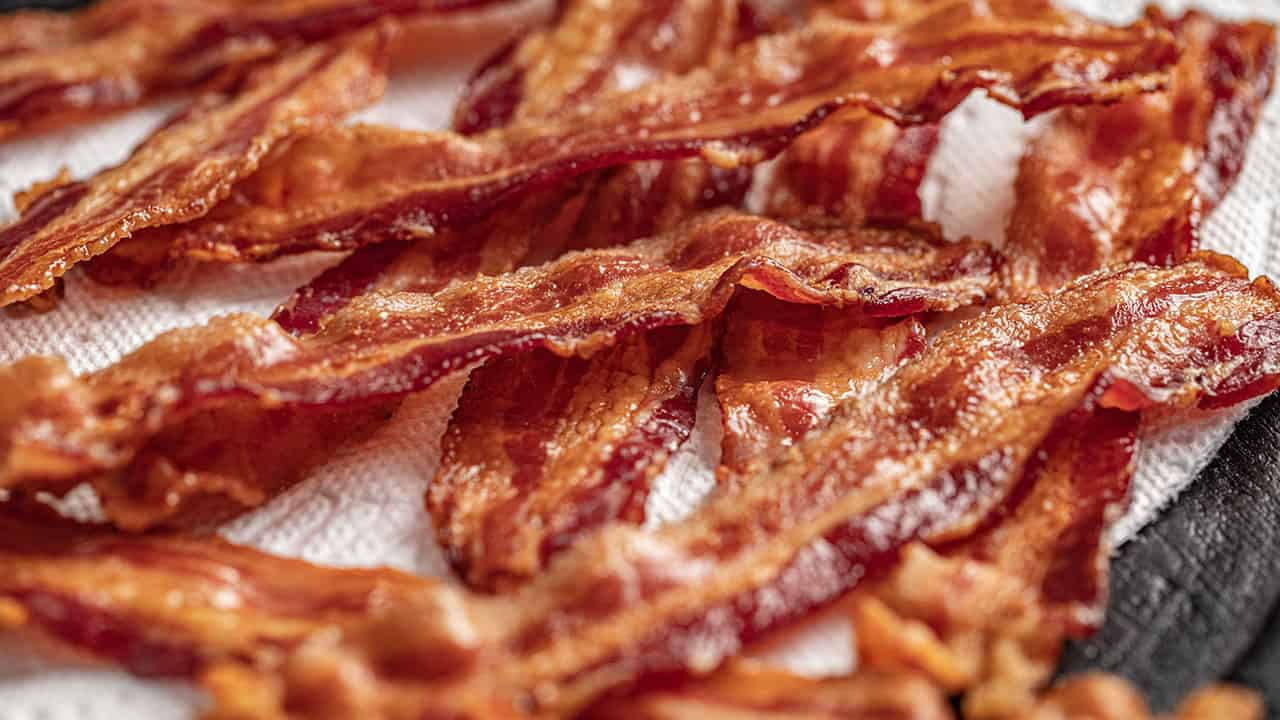
Oven Baked Bacon: The Hands-Off Way to Perfect Crispiness for a Crowd
Picture this: a weekend morning, the aroma of sizzling bacon fills your kitchen, but instead of standing over a splattering stovetop, dodging grease and flipping strips, you're calmly prepping pancakes or brewing coffee. Sound like a dream? It's not. It's the reality of how to cook bacon in the oven, a culinary game-changer that transforms breakfast prep from a chore into a seamless, mess-free experience. Forget unevenly cooked, curled-up bacon and grease-stained countertops. This hands-off method promises consistently crispy, perfectly flat strips every single time, whether you're making a quick breakfast for one or a lavish brunch for a crowd.
For years, home cooks and professional chefs alike have sought the holy grail of bacon preparation: maximum crispiness with minimum fuss. The stovetop, while traditional, often falls short, leading to inconsistent results and a significant cleanup effort. But once you discover the magic of baking bacon in the oven, you'll likely never look back. It’s a method born from test kitchen wisdom and countless successful home breakfasts, delivering bacon that's perfectly rendered, delightfully crisp, and never charred.
If you're ready to elevate your bacon game and reclaim your mornings, keep reading. We'll dive into the undeniable benefits, reveal the "not-so-secret" technique for ultimate crispiness, and provide a simple, step-by-step guide to mastering oven-baked bacon.
Why Cooking Bacon in the Oven is a Game-Changer
While the allure of a sizzling pan might be strong, the practical advantages of oven-baked bacon are simply too compelling to ignore. This method isn't just about convenience; it's about superior results and a vastly improved cooking experience. Here’s a deeper look into why the oven reigns supreme:
- Effortless Cleanup: This is arguably the biggest selling point. No more grease splattering across your stovetop, backsplash, or even your clothes. The baking sheet, lined with foil or parchment paper, contains all the rendered fat, making disposal a breeze. Simply let the fat cool and solidify, then fold up the liner and toss it. Your kitchen stays pristine!
- Unparalleled Even Crispiness: When bacon cooks flat on a baking sheet, it receives consistent heat distribution from the oven. This eliminates the common stovetop problem of strips curling, shriveling, or developing burnt spots alongside undercooked sections. Every inch of every strip cooks evenly, rendering the fat perfectly and yielding consistent crispiness from end to end.
- Perfect for Any Size Crowd: Need to feed an army? Or just a hungry family? A standard half-sheet pan can easily accommodate an entire 12-ounce package of bacon in a single layer. For larger gatherings, simply utilize multiple sheet pans. This scalability makes oven-baked bacon the ultimate choice for brunches, holiday breakfasts, or any situation requiring a significant amount of bacon without endless batches and constant attention.
- True Hands-Off Cooking: Once your bacon is arranged in the oven, your work is largely done until it’s time to remove it. This frees up precious time and stovetop space to prepare other components of your meal – whether that's scrambling eggs, toasting bread, or brewing that perfect cup of coffee. No more babysitting the pan, just set a timer and enjoy your morning.
- Reduced Cooking Odor: While the smell of bacon is delightful, an overly greasy kitchen smell clinging to everything is not. By containing the cooking within the oven, you tend to minimize the amount of airborne grease particles, leading to a less pervasive cooking odor throughout your home.
The Secret to Perfection: Mastering the Cold Oven Method
If there's one technique that truly elevates oven-baked bacon from good to absolutely phenomenal, it's starting with a cold oven. This might seem counterintuitive at first – isn't preheating always the rule? Not for bacon, and here's why this "not-so-secret trick" is a game-changer for achieving that coveted, consistent crispiness.
Bacon, at its core, is a delicate balance of lean meat and abundant fat. When you introduce bacon directly into a screaming hot, preheated oven, the lean meat part cooks and crisps up much faster than the fat has time to slowly render and melt away. The result? Bacon that curls aggressively, shrivels, and cooks unevenly, leaving you with chewy, fatty spots alongside potentially burnt edges.
By placing the baking sheet with bacon into a cold oven and then turning it on, you allow the bacon to gradually warm up as the oven temperature slowly rises to its set point (typically 400°F). During this gentle heating process, the bacon fat has ample time to render out slowly and evenly. This gradual rendering is key to achieving that perfect texture: the fat melts away, allowing the meat to crisp up beautifully and uniformly across the entire strip. You get flat, perfectly cooked bacon from end to end, without the frustration of curling or uneven doneness.
Beyond the superior texture, the cold oven method offers another practical benefit: significantly less grease splatter inside your oven. Because the fat renders slowly, it doesn't experience the sudden, aggressive heat that can cause it to pop and spray. This means an easier cleanup for your oven's interior, too. This technique is a long-standing secret in many professional kitchens, and once you try it at home, you'll understand why it's the gold standard. For a deeper dive into this essential technique, check out The Cold Oven Trick for Perfectly Crispy Bacon with Zero Splatter.
Step-by-Step Guide: How to Cook Bacon in the Oven
Ready to experience the magic? This method is remarkably simple and adaptable to any type of bacon you prefer, from standard-cut to thick-cut varieties. Here’s exactly how to cook bacon in the oven:
- Prepare Your Baking Sheet: Begin by lining a large, rimmed baking sheet with either aluminum foil or parchment paper. Foil is a personal favorite for its effortless cleanup – once cooled, simply crimp it up and dispose of the solidified grease. Parchment paper also works beautifully, preventing sticking and making transfer easy. Ensure the liner extends slightly up the sides of the pan to contain any grease.
- Arrange the Bacon: Lay the bacon strips in a single layer on your prepared baking sheet. It's okay if the strips touch slightly, but try to avoid overlapping them. Overlapping can lead to uneven cooking, as the overlapped sections will steam rather than crisp. For best results, give each strip a little breathing room.
- The Cold Oven Method & Temperature Setting: Place the baking sheet with the bacon directly into a cold, unheated oven. Close the oven door, then set your oven temperature to 400°F (200°C). As the oven gradually heats up, the bacon fat will slowly render, preventing curling and promoting even crisping.
- Bake to Your Desired Crispiness:
- For regular-cut bacon, bake for approximately 10 to 18 minutes.
- For thick-cut bacon, expect a longer cooking time, usually between 15 to 25 minutes.
Cooking times will vary based on your oven's calibration, the bacon's thickness, and your personal preference for crispiness. Keep an eye on it, especially towards the end of the cooking time. For exceptionally even browning, you can consider flipping the bacon once halfway through the baking process, though many find it unnecessary with the cold oven method.
- Drain and Serve: Once the bacon has reached your desired level of crispiness (golden brown and firm), carefully remove the baking sheet from the oven. Using tongs, immediately transfer the cooked bacon strips to a plate lined with several layers of paper towels. This allows any excess rendered fat to drain off, enhancing the crisp texture. Let it cool for a minute or two before serving, as it will continue to crisp slightly as it cools.
Pro Tips for the Ultimate Oven Bacon
- Save That Bacon Fat! Don't just toss the rendered fat! Once it has cooled and solidified on your lined baking sheet, carefully pour it into a heat-proof jar or container. Stored in the refrigerator, bacon fat is a secret weapon for adding incredible flavor to sautéed vegetables, scrambled eggs, cornbread, and even roasted potatoes. It's liquid gold!
- Don't Crowd the Pan: While it's tempting to cram as much bacon as possible onto one sheet, resist the urge. Overcrowding can lead to steaming instead of crisping. If you're cooking for a very large group, use two baking sheets and rotate them halfway through for even cooking.
- Experiment with Crispiness: Some prefer their bacon perfectly crisp, while others like a little chewiness. The beauty of oven baking is how easily you can control this. For chewier bacon, aim for the lower end of the baking time. For shatteringly crisp bacon, push it towards the higher end, but watch carefully to prevent burning.
- Sweet and Savory Variations: For a delightful treat, try sprinkling a little brown sugar or a drizzle of maple syrup over your bacon before baking. This creates a wonderful candied bacon that's perfect for snacking or adding to salads. A dash of black pepper or a pinch of cayenne can also add an extra layer of flavor.
- Reheating Leftovers: Cooked oven bacon reheats beautifully. For best results, lay strips on a new sheet of parchment paper and warm in a 350°F (175°C) oven for 5-8 minutes, or until heated through and crisp again.
Conclusion
Learning how to cook bacon in the oven is more than just learning a new technique; it's discovering a smarter, more enjoyable way to prepare one of life's most beloved foods. From the unparalleled ease of cleanup to the consistent, perfect crispiness that the cold oven method delivers, this hands-off approach truly transforms your breakfast routine. No more grease splatters, no more unevenly cooked strips, and no more constant hovering over a hot pan. Just perfectly rendered, deliciously crispy bacon, effortlessly made for any occasion. So, next time you're craving that savory, smoky goodness, embrace the oven. Your stovetop (and your sanity) will thank you!
